
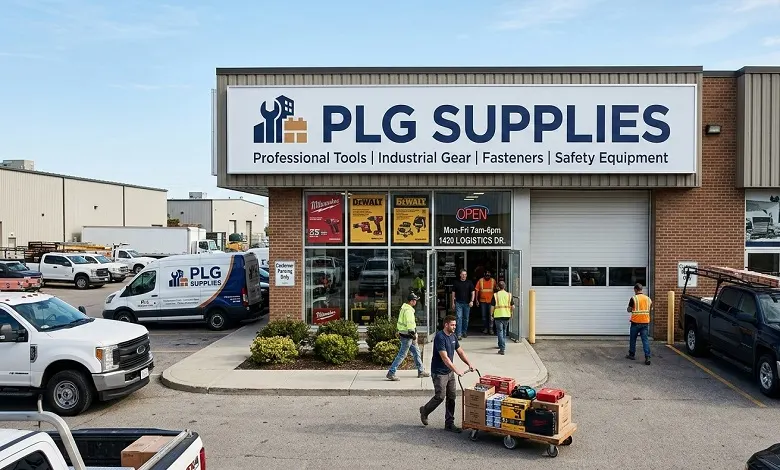
Modern businesses depend on far more than just products or services to operate successfully. Behind every manufacturing plant, warehouse, hospital, or office lies a constant flow of operational materials that keep everything functioning. These materials are often grouped under the term PLG supplies.
PLG supplies play a crucial role in ensuring that companies can operate without delays, maintain safety standards, and control operational costs. In simple terms, they include the everyday tools, equipment, and materials businesses need to run smoothly.
This article explains what PLG supplies are, why they matter, how businesses use them, and how they are shaping the future of supply chain management.
What Are PLG Supplies?
PLG supplies generally refer to a broad group of products used in industrial operations, logistics, maintenance, and facility management. These supplies help organizations carry out daily tasks, maintain equipment, and ensure workplace safety.
In many contexts, the abbreviation PLG is interpreted as Procurement, Logistics, and General supplies or sometimes Production, Logistics, and General-use supplies.
Instead of being the final products a company sells, PLG supplies are the essential items that support internal operations. These supplies may include tools, safety equipment, packaging materials, maintenance products, and office resources.
Businesses across industries rely on these supplies because they make it possible to maintain productivity, protect workers, and manage logistics effectively.
The Role of PLG Supplies in Business Operations
Every business environment depends on reliable access to tools and materials. Without a steady supply of operational resources, even the most advanced companies can face delays, increased costs, and reduced productivity.
PLG supplies solve this problem by providing a structured system for sourcing essential items.
One of the biggest advantages of PLG supplies is that they allow companies to centralize procurement. Instead of dealing with multiple vendors for different materials, businesses can obtain a wide range of supplies through one distributor or procurement platform.
This approach simplifies purchasing, reduces administrative work, and ensures consistent product quality.
Another important benefit is supply chain reliability. Companies that partner with professional supply distributors can receive products on schedule, preventing interruptions in production or logistics operations.
Why PLG Supplies Are Important for Businesses
The importance of PLG supplies goes beyond convenience. They directly affect how efficiently an organization operates.
Operational continuity
Every organization requires a steady flow of supplies to keep daily activities running. Manufacturing plants need tools and spare parts, warehouses need packaging materials, and offices require administrative resources.
When these supplies are unavailable, operations slow down and productivity drops. Reliable supply channels help companies avoid these disruptions.
Improved efficiency
When businesses maintain a well-organized supply system, employees spend less time searching for tools or waiting for materials. Instead, they can focus on completing their tasks efficiently.
Cost control
Bulk procurement is one of the biggest advantages of PLG supply systems. Purchasing materials in large quantities reduces costs per unit and allows businesses to negotiate better pricing with suppliers.
Workplace safety
Safety equipment such as helmets, gloves, and protective eyewear are essential for industries like construction, manufacturing, and logistics. PLG supply systems ensure that safety materials are always available to protect workers and maintain compliance with safety regulations.
Supply chain stability
Companies that rely on consistent supply channels are less likely to experience delays caused by shortages or vendor problems.
Main Categories of PLG Supplies
PLG supplies cover a wide range of operational products used across industries. Although the exact categories may vary, several types of supplies are commonly included.
Industrial tools and equipment
Tools form the backbone of many operational environments. Manufacturing facilities, repair workshops, and construction sites depend on both manual and powered tools.
These tools allow workers to assemble products, repair machinery, and perform maintenance tasks.
Industrial equipment may include machinery components, precision tools, and heavy-duty devices designed for long-term use in demanding environments.
Maintenance and repair materials
Maintenance supplies help organizations keep equipment in working condition. These items support regular repairs and preventative maintenance.
Common maintenance supplies include fasteners, lubricants, adhesives, sealing materials, and replacement parts.
Regular maintenance reduces equipment failure and helps extend the life of expensive machinery.
Packaging and logistics materials
Companies involved in shipping or storing goods depend heavily on packaging materials.
These materials protect products during transportation and help warehouses manage inventory effectively.
Packaging supplies include boxes, protective wrapping, sealing materials, shipping labels, and pallet coverings.
These materials ensure that products reach customers safely while also supporting organized logistics operations.
Safety equipment
Workplace safety is a top priority in many industries. PLG supplies often include personal protective equipment designed to reduce workplace injuries.
Examples include helmets, gloves, protective clothing, respirators, and safety glasses.
Providing proper safety equipment helps organizations comply with workplace regulations and create a safer environment for employees.
Cleaning and facility maintenance supplies
A clean workplace is essential for health, productivity, and professional standards. Businesses rely on cleaning and sanitation supplies to maintain hygienic environments.
These supplies may include disinfectants, cleaning solutions, floor maintenance equipment, and waste disposal systems.
Facilities such as hospitals, schools, and manufacturing plants require consistent cleaning to meet safety and health guidelines.
Office and administrative supplies
Even highly technical industries rely on basic office resources. Administrative teams use supplies such as paper, printers, and stationery to manage communication and documentation.
These supplies support daily tasks like record-keeping, scheduling, and internal communication.
Industries That Depend on PLG Supplies
PLG supplies are used in almost every industry. However, some sectors rely on them more heavily due to their operational complexity.
Manufacturing
Manufacturing facilities depend on tools, machine components, and maintenance materials to maintain production lines.
A single missing component can stop production, making reliable supply systems extremely important.
Construction
Construction projects require a wide range of materials and equipment. From tools to safety gear, construction teams rely on steady access to supplies to complete projects on schedule.
Healthcare
Hospitals and medical facilities depend on hygiene products, protective equipment, and diagnostic tools to maintain patient safety.
A consistent supply of medical materials is essential for preventing infections and maintaining health standards.
Warehousing and logistics
Warehouses rely heavily on packaging materials, labelling systems, and storage equipment to manage inventory and shipments.
Without proper supply management, warehouse operations can quickly become disorganized.
Offices and educational institutions
Administrative environments require office supplies, cleaning materials, and maintenance tools to keep facilities functioning properly.
How Businesses Manage PLG Supplies
Managing operational supplies effectively requires planning and organization. Many businesses adopt specific strategies to ensure they always have the materials they need.
Centralized procurement
Many organizations use centralized purchasing systems where a dedicated team manages supply orders.
This approach improves efficiency and allows businesses to negotiate better pricing with suppliers.
Inventory monitoring
Monitoring inventory levels helps businesses avoid shortages and unnecessary stock accumulation.
Modern supply systems often use digital tools that track inventory in real time.
Supplier partnerships
Building strong relationships with reliable suppliers ensures that companies receive high-quality products and dependable delivery schedules.
These partnerships also make it easier to resolve supply issues quickly.
Technology and the Future of PLG Supplies
The supply industry has evolved significantly in recent years due to digital transformation.
Many PLG suppliers now use digital procurement platforms that allow businesses to browse products, track orders, and manage supply data online.
Technology is also improving supply chain visibility. Businesses can now monitor inventory levels and delivery schedules through integrated systems.
Artificial intelligence is beginning to play a role as well. AI tools analyze historical demand patterns and help companies forecast future supply needs.
Another emerging trend is sustainability. Many supply companies are adopting environmentally friendly materials such as recyclable packaging and biodegradable cleaning products.
These changes reflect growing awareness of environmental responsibility in global supply chains.
Challenges Businesses Face with Supply Management
Despite their importance, managing operational supplies can present several challenges.
One common challenge is supplying chain disruption. Global events, transportation delays, or shortages of raw materials can interrupt supply availability.
Another challenge is inventory imbalance. Businesses must balance having enough supplies with avoiding excessive storage costs.
Supplier reliability is also a concern. Companies that depend on a single supplier may face difficulties if that supplier experiences delays or financial issues.
To reduce these risks, many organizations diversify their supplier networks and adopt digital inventory tracking systems.
The Future of PLG Supplies in Business
As industries continue to evolve, the importance of reliable supply systems will only increase.
Future developments in PLG supplies are likely to include smarter procurement systems, automated inventory management, and greater integration with digital logistics platforms.
Businesses will also focus more on sustainability and responsible sourcing as environmental awareness grows.
Companies that invest in efficient supply management today will gain a competitive advantage by reducing costs, improving productivity, and strengthening operational stability.
Conclusion
PLG supplies may not always be visible to customers, but they form the foundation of modern business operations. From tools and safety equipment to packaging materials and office resources, these supplies ensure that organizations can operate efficiently and safely.
Reliable supply systems allow businesses to maintain productivity, control costs, and avoid disruptions. As technology and sustainability continue to reshape global supply chains, PLG supplies will remain a critical component of business success.
Organizations that understand the importance of supply management and build strong procurement strategies will be better prepared for the challenges and opportunities of the future.