
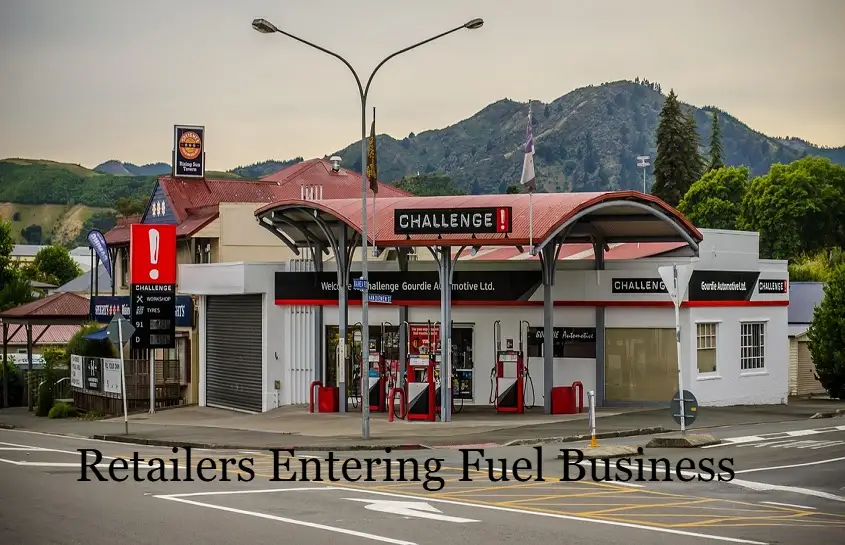
Retailers entering fuel business is no longer a rare move. It is happening across many countries. Brands known for groceries, clothes, and electronics are adding fuel stations to their stores.
This change makes life easier for customers. People can fuel their cars and shop at the same place. It saves time. It also makes daily travel more convenient.
For retailers, fuel brings steady traffic. Customers often enter the store after refueling. This increases sales and builds brand loyalty. Fuel also helps retailers compete with standalone stations.
There are challenges as well. Fuel operations follow strict safety rules. Setup costs are high. Prices change often and affect profits. Managing fuel supply takes experience.
Even so, many retailers see long-term value. The retail-fuel model continues to expand. The list below shows how many retailers entering fuel business are shaping this growing trend.
Why Are Retailers Entering Fuel Business?
The decision for a retailer to start selling fuel is not arbitrary. This comes from the convergence of strategic goals and the dynamics of emerging markets:
1. Diversification of income streams
For many retailers, fuel sales offer a simple way to expand beyond regular products. Fuel is something people buy often. Drivers return again and again to refill their tanks.
This steady demand brings consistent visitors to the store. Once inside, customers often pick up snacks, drinks, or car-related items. Over time, these small purchases help increase sales across multiple categories.
2. Increased customer loyalty
Retailers with loyalty programs (such as points on groceries or merchandise) can be integrated to provide rewards, encourage repeat visits and strengthen customer relationships. For example, earning fuel rebates through repeat purchases can significantly increase customer loyalty.
3. Competitive Advantage
Entering the fuel space allows retailers to differentiate themselves amid stiff competition. A combined retail and fuel offering provides the convenience of “one-stop shopping,” appealing particularly to busy consumers.
4. High Volume Sales Potential
Fuel does not always offer high profit margins. However, it sells in large volumes every day. This steady demand makes fuel a valuable addition for many retailers.
When fuel sales are paired with in-store purchases, the impact grows. Customers often buy extra items during the same visit. Over time, this increases the average spend per customer.
5. Real Estate Optimization
Many large retail stores sit on valuable, well-located land. There is often open space near the main building. This space can be put to better use.
Adding fuel stations helps make the most of it. Fuel pumps attract more visitors throughout the day. This extra traffic often leads to more in-store shopping.
List of Retailers Entering Fuel Business
Here’s a detailed list of notable retailers that have expanded into the fuel business globally:
1. Walmart (United States)
Walmart is perhaps the most well-known example of a retailer operating its own branded fuel stations. Walmart fuel centers are located at many of its supercenters across the U.S. and serve millions of customers each year.
- Offers discount fuel pricing tied to Walmart app promotions.
- Integrated with Walmart’s vast network of stores.
- Known for competitive pricing strategies.
2. Tesco (United Kingdom)
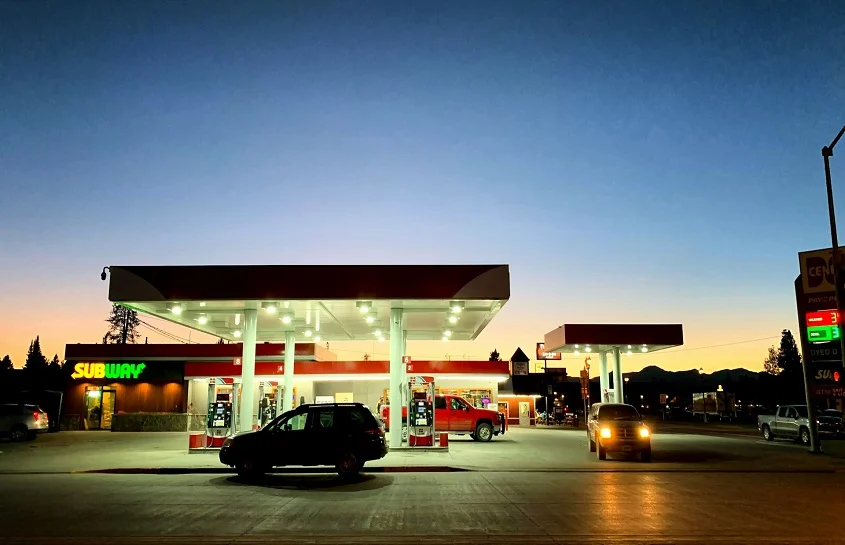
Tesco has been a pioneer in UK fuel retailing, operating thousands of petrol stations across the country.
- Often located adjacent to Tesco supermarkets.
- Offers Clubcard points on fuel purchases.
- Fueled by strategic partnerships and high traffic from grocery shoppers.
3. Costco (Global)
Costco’s gas stations are iconic among members for high-quality fuel at low prices.
- Exclusively available to Costco members.
- Known for efficiency and low operational costs.
- Provides a consistent revenue stream for membership retention.
4. 7-Eleven (Global)
Originally a convenience store chain, 7-Eleven operates many fuel sites, especially in North America and Asia.
- Combines convenience retail with fuel sales.
- Customers often fuel up and purchase snacks, drinks, or coffee in the same visit.
- Benefits from brand recognition and quick-service model.
5. Sainsbury’s (United Kingdom)
Sainsbury’s petrol stations complement its grocery business, offering fuel discounts linked to shopping value.
- Promotes weekly savings when customers fill fuel after shopping.
- Strategically tied into the Nectar loyalty program.
6. Shell Select / Shell Retail Partners (Various Countries)
Though Shell is primarily an oil company, its fuel stations often operate with extensive convenience store formats comparable to retailers.
- Many fuel sites include retail spaces selling everyday goods.
- Shell partners with local retailers in some markets.
7. BP Plus and ampm (United States and International)
BP’s acquisition of Ampm introduced a hybrid fuel and convenience retail model under one roof.
- Focuses on convenience merchandise alongside fuel.
- Retail merchandising boosts non-fuel revenue.
8. Target (United States)
Target has explored fuel retailing through partnerships with third-party operators at select locations.
- Not a widespread rollout but present in select markets.
- Expands Target’s footprint beyond traditional retail.
9. Metro AG (Germany and Central Europe)
Metro operates fuel stations, especially in Eastern and Central European markets, often paired with wholesale retailing.
- Serves both consumer and business customers.
- Emphasis on bulk buyers and professional customers.
10. Carrefour (France and International)
Carrefour’s hypermarkets and supermarkets often include petrol stations in Europe, Asia, and Latin America.
- Leverages massive store network for fuel distribution.
- Offers loyalty program integration.
11. Woolworths (Australia)
Woolworths, a major supermarket chain in Australia, operates petrol stations as part of its diversified offerings.
- Partners with Caltex/ Ampol for fuel supply.
- Offers fuel discounts through rewards programs like Everyday Rewards.
12. Kroger (United States)
Kroger operates fuel stations at many stores under its own fuel brand or in partnership with other fuel suppliers.
- Loyalty card savings on fuel.
- Enhances grocery shopping experience.
13. Costco (Canada & UK)
Costco’s fuel stations in international markets operate similarly to the U.S., offering discount fuel to members.
14. IGA (Global)
Independent Grocers Alliance (IGA) licensees in some markets have added fuel services to complement grocery sales.
- Localized ownership model.
- Flexibility to adapt to community needs.
15. HyperCity / Retail Chains in India (Emerging Trend)
While still nascent, select Indian retail chains are exploring partnerships or integrated fuel offerings tied to convenience retailing.
- Retailers partnering with Indian Oil, BPCL, or HPCL stations.
- Movement toward larger convenience retail formats.
How Retailers Integrate Fuel Operations
Retailers Entering Fuel business isn’t as simple as installing pumps. Retailers use several models to enter the fuel sector:
1. Direct Ownership and Operation
In this model, the retailer owns and operates the fuel station, often sourcing fuel from major oil companies or wholesale distributors.
- Example: Walmart fuel centers in the U.S.
- Pros: Complete control over pricing and operations.
- Cons: Higher upfront investment and regulatory obligations.
2. Franchise or Joint Venture Model
Retailers partner with fuel companies to co-brand or co-operate fuel stations.
- Example: Tesco and BP co-located sites in the UK (historically).
- Pros: Shared risk and expertise.
- Cons: Revenue share agreements may reduce margins.
3. Lease or Third-Party Operator Model
Retailers lease space to fuel operators who run the station while the retailer benefits from increased footfall.
- Common for retailers with smaller footprints or where fuel isn’t core to operations.
- Reduces operational burden.
4. Digital Integration
Retailers leverage loyalty apps and digital platforms to integrate fuel with shopping rewards, mobile ordering, and price promotions.
- Pushes traffic to both retail and fuel channels through digital incentives.
Read More: Precision Technologies International: Pioneering Excellence in Engineering Solutions
Benefits of Retailers Entering Fuel Business
The synergies between retail and fuel create numerous advantages for both businesses and consumers:
1. Increased Foot Traffic
Fuel customers are more likely to visit the retail store after refueling, boosting ancillary sales.
2. Higher Customer Retention
Loyalty programs that include fuel discounts encourage repeat shopping.
3. Competitive Pricing
Large retailers can negotiate bulk fuel purchases, often resulting in lower consumer prices.
4. One-Stop Convenience
Customers appreciate the ability to shop, refuel, and handle errands in a single visit.
5. Cross-Category Growth
Fuel stations drive sales in convenience categories (snacks, beverages, automotive accessories) which typically have high margins.
Challenges Retailers Face When Entering Fuel Retailing
Although the opportunity is significant, this business expansion is not without challenges:
1. Regulatory Compliance
Fuel retailing is heavily regulated. Retailers must comply with environmental, safety, and licensing rules that vary by jurisdiction.
2. Infrastructure Costs
Installing fuel tanks, pumps, and safety systems requires significant capital investment.
3. Environmental Risk
Fuel storage poses contamination risk, leading to costly remediation if leaks occur.
4. Market Competition
Traditional fuel players and dedicated convenience chains intensify competition, especially in high-traffic areas.
5. Operational Complexity
Fuel retailing demands skilled management, especially for inventory tracking, pricing updates, and compliance.
Future Trends: Retail Retailers and the Fuel Ecosystem
The future of this hybrid industry is evolving rapidly. Below are key trends to watch:
1. Electric Vehicles (EV) and Alternative Fuels
As EV adoption grows, traditional fuel demand may contract. Retailers are responding by installing charging stations alongside or instead of petrol pumps.
2. Digital Fuel Payments
Mobile apps, digital wallets, and contactless payments are becoming standard at fuel stations, integrated deeply into retailer ecosystems.
3. Micro-Fulfillment and Convenience Expansion
Retailers are experimenting with smaller store formats attached to fuel stations, offering expanded convenience categories.
4. Loyalty-Driven Personalization
Advanced loyalty systems use AI to suggest fuel and retail promotions, increasing average spend per customer.
Conclusion on Retailers Entering Fuel Business
Retailers entering fuel business are changing how modern retail works. The goal is simple. Serve more customer needs in one place. Fuel stations added to retail stores create new income and bring customers back more often.
Large brands like Walmart and Tesco have already made this move. Smaller regional retailers are following the same path. This shift improves convenience for everyday shoppers. People save time and often spend more during each visit.
Running fuel operations is not easy. It needs strong planning, safety controls, and upfront investment. Even so, the long-term gains are clear. Retailers benefit from steady traffic and diverse revenue sources.
Energy use is also changing. Electric and alternative fuels are becoming more common. Retailers entering fuel business early can adapt faster. This gives them an edge in a changing market. The future of retail and fuel working together has only just begun.