
The travel industry is changing as more people look for experiences that combine outdoor exploration with modern comfort. Traditional camping appeals to nature lovers, but not every traveler wants to sacrifice comfortable accommodation, convenient facilities, or privacy. This growing interest has helped bring glamping into the mainstream of outdoor hospitality.
The glamping economy refers to the businesses, services, investments, and local economic activities connected with luxury camping. It includes accommodation providers, landowners, booking platforms, equipment manufacturers, tourism operators, and businesses that support outdoor travel experiences.
From luxury safari tents and treehouses to geodesic domes and furnished cabins, glamping has created new ways for tourism businesses to attract visitors. It also provides opportunities for rural destinations to develop accommodation options and generate additional income from tourism.
What Is the Glamping Economy?
Glamping is a combination of the words glamorous and camping. It allows travelers to enjoy natural surroundings while having access to comforts commonly associated with hotels and other traditional accommodation.
The glamping economy is the wider commercial ecosystem built around these experiences. It includes more than the accommodation itself. Food services, guided activities, booking platforms, transportation, construction, cleaning, maintenance, and local suppliers can all contribute to this market.
For example, a guest staying in a luxury tent may also purchase meals, book a guided nature walk, rent outdoor equipment, or visit nearby attractions. These activities create economic opportunities for both the accommodation provider and surrounding businesses.
Unlike traditional camping, which often focuses on providing a campsite, glamping businesses generally sell a more complete hospitality experience.
How Is the Glamping Industry Growing?
Interest in nature-based tourism and experience-focused accommodation has helped expand the glamping industry. Travelers increasingly value distinctive stays, scenic locations, and opportunities to disconnect from busy everyday routines without giving up essential comforts.
Market research from Grand View Research estimated the global glamping market at approximately $3.8 billion in 2025 and projected it could reach around $7.9 billion by 2033. These figures are market estimates and forecasts, not guaranteed future outcomes.
Several factors contribute to the industry’s development:
- Greater interest in outdoor and experience-based holidays.
- Demand for accommodation that offers privacy and distinctive surroundings.
- Growth in domestic and short-break tourism.
- Wider availability of online booking platforms.
- New accommodation formats and modular construction options.
- Increasing interest in environmentally responsible travel.
The pace of growth varies between destinations. Location, accessibility, infrastructure, tourism demand, and operating costs all influence how successfully a glamping business can develop.
Different Types of Accommodation in the Glamping Economy
One reason glamping appeals to different types of travelers is the variety of accommodation available. Businesses can select structures according to their location, budget, climate, and target audience.
Luxury Safari Tents
Safari tents are among the recognizable forms of glamping accommodation. They typically combine a canvas structure with furnished interiors, comfortable beds, lighting, and additional facilities.
They are often used in countryside destinations, nature retreats, and outdoor resorts.
Geodesic Domes
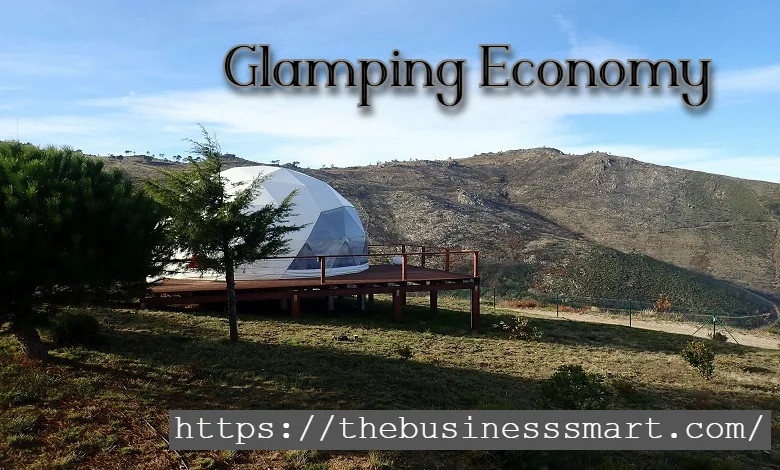
Geodesic domes offer a distinctive architectural appearance and can provide wide views of surrounding landscapes. Some properties include private bathrooms, heating, and large windows for stargazing.
Treehouses
Treehouses provide an elevated accommodation experience surrounded by trees and natural scenery. Their distinctive design can make them attractive to couples, families, and travelers seeking unusual places to stay.
Luxury Cabins and Pods
Cabins and accommodation pods offer a more permanent structure than many tent-based options. They can include private bathrooms, kitchen facilities, climate control, and other amenities depending on the property.
Yurts and Tipis
Yurts and tipis provide alternative outdoor accommodation styles inspired by traditional structures. Modern versions may include comfortable bedding, furniture, lighting, and heating.
The best option depends on the destination, construction requirements, local regulations, and the expectations of potential guests.
How Does the Glamping Economy Work?
The glamping economy operates through several connected business activities. Accommodation providers generate the central revenue, while supporting businesses supply products and services that make the experience possible.
A typical glamping operation involves the following participants:
Landowners: Provide land suitable for outdoor accommodation and tourism activities.
Glamping operators: Manage reservations, guest services, facilities, pricing, and daily operations.
Manufacturers and suppliers: Provide tents, cabins, furniture, bathrooms, lighting, and other equipment.
Booking platforms: Connect travelers with accommodation providers and help manage reservations.
Local businesses: Supply food, transportation, guided tours, equipment rentals, and other visitor services.
Maintenance and hospitality teams: Handle cleaning, repairs, landscaping, and guest support.
These relationships allow glamping destinations to generate economic activity beyond overnight accommodation. A well-managed site can support several local service providers while offering visitors a more complete travel experience.
How Do Glamping Businesses Generate Revenue?
Accommodation bookings are generally the main source of revenue for glamping operators. However, businesses can develop additional income streams depending on their location and facilities.
Overnight Accommodation
The primary income usually comes from charging guests for individual stays. Pricing can vary according to accommodation quality, location, season, facilities, and local competition.
Food and Beverage Services
Some operators offer breakfast packages, outdoor dining, locally sourced meals, or refreshments. These services can increase guest convenience and create additional revenue opportunities.
Outdoor Activities and Experiences
Guided hiking, cycling, wildlife observation, kayaking, fishing, and nature tours can complement accommodation bookings.
Wellness and Relaxation
Certain destinations offer yoga sessions, spa treatments, meditation experiences, or private relaxation facilities.
Events and Group Bookings
Suitable glamping properties may attract small celebrations, retreats, corporate gatherings, and group holidays. These bookings can provide an additional source of income outside ordinary reservations.
However, additional services also involve staffing, equipment, insurance, and operating expenses. Operators need to assess whether each offering is commercially practical.
Economic Benefits of the Glamping Industry
The growth of glamping can create opportunities for destinations that have attractive natural surroundings but limited traditional accommodation infrastructure.
Supports Local Employment
Glamping properties may create jobs in housekeeping, hospitality, maintenance, food preparation, administration, and guest services.
Smaller businesses can also benefit by supplying products and services to accommodation operators.
Creates Opportunities for Rural Businesses
Countryside and remote destinations may use glamping to attract visitors who want outdoor experiences. Local restaurants, transport providers, activity organizers, and retailers can benefit from additional visitor spending.
Encourages Tourism Investment
Glamping provides another accommodation model for landowners, campground operators, hospitality businesses, and tourism investors.
Depending on land availability and local requirements, operators may be able to introduce smaller or modular accommodation projects instead of developing a conventional hotel.
Promotes Local Experiences
Many glamping destinations combine accommodation with regional food, cultural activities, outdoor recreation, and locally guided experiences.
This can help visitors engage with the destination while creating additional opportunities for local businesses.
Sustainability and the Glamping Economy
Environmental responsibility is an important consideration in outdoor hospitality. Many glamping destinations operate in or near natural landscapes, making responsible land management essential.
Some businesses incorporate sustainability practices into their operations, including:
- Solar energy and energy-efficient lighting.
- Water-saving fixtures and responsible water management.
- Waste separation and recycling.
- Locally sourced food and materials.
- Low-impact construction methods.
- Protection of surrounding vegetation and wildlife habitats.
However, glamping should not automatically be considered environmentally friendly. Construction, transportation, energy consumption, wastewater management, and increased visitor activity can all affect the environment.
Research published in the Journal of Destination Marketing & Management has examined glamping as an alternative form of domestic tourism and highlighted the importance of sustainable attributes, while also identifying challenges for destinations and stakeholders. <Cite refs={[“turn779714search0″,”turn779714search3”]}/>
Responsible operators need to consider the environmental impact of the entire property, not just the appearance of its accommodation.
Challenges Facing the Glamping Economy
Although glamping offers business opportunities, operating a successful property involves several challenges.
Initial Investment
Land preparation, accommodation structures, furniture, utilities, bathrooms, and guest facilities can require significant investment. Costs vary considerably according to the location and standard of accommodation.
Seasonal Demand
Weather conditions and holiday periods can influence bookings. Some destinations experience strong demand during particular seasons and lower occupancy during other months.
Maintenance and Guest Services
Outdoor accommodation requires regular cleaning, inspections, repairs, and attention to weather-related issues. Operators must maintain the same basic standards of hospitality expected from other accommodation businesses.
Local Regulations and Permissions
Land use, construction approvals, environmental requirements, fire safety, sanitation, and business licensing can affect whether a proposed site can operate.
Requirements differ by country and local authority, so businesses should investigate applicable regulations before investing.
Competition
As more accommodation providers introduce distinctive outdoor stays, operators need to differentiate their properties through location, facilities, service quality, pricing, and guest experiences.
A visually attractive property alone is not enough to guarantee consistent bookings.
What Is the Future of the Glamping Economy?
The future of the glamping economy will depend on how effectively businesses respond to changing travel preferences, environmental expectations, and hospitality technology.
Several developments may influence the industry.
More distinctive accommodation: Domes, cabins, treehouses, and other unusual structures may continue to attract travelers seeking memorable stays.
Improved booking technology: Online reservation systems, property management tools, and direct booking websites can help operators manage availability and communicate with guests.
Greater attention to sustainability: Water conservation, renewable energy, responsible construction, and waste management may become increasingly important for destinations operating in sensitive natural environments.
Personalized guest experiences: Accommodation providers may offer tailored activities, food packages, wellness services, and local experiences to distinguish their properties.
Expansion of rural tourism: Areas with suitable landscapes and tourism infrastructure may explore glamping as an additional accommodation option.
These developments represent potential opportunities rather than guaranteed outcomes. Businesses that understand their target market and manage operational costs carefully will be better positioned to respond to changing demand.
Is the Glamping Economy a Good Business Opportunity?
Glamping can be an attractive business opportunity for landowners, hospitality operators, and tourism entrepreneurs, but its commercial viability depends on careful planning.
Before starting a glamping business, investors should evaluate land suitability, local demand, accessibility, infrastructure, startup costs, operating expenses, competition, and regulatory requirements.
A realistic business plan should also estimate occupancy, seasonal pricing, maintenance costs, staffing, marketing expenses, and the time needed to recover the initial investment.
It is important to evaluate the business as a hospitality operation rather than assuming that an attractive location will automatically generate profit.
Final Thoughts
The glamping economy represents an evolving part of the tourism and hospitality industry, bringing together comfortable outdoor accommodation, local businesses, tourism services, and distinctive travel experiences.
Its appeal comes from offering visitors an opportunity to enjoy natural surroundings without giving up essential comforts. For operators, it creates potential revenue opportunities through accommodation, activities, food services, and partnerships with local businesses.
However, long-term success depends on more than accommodation design. Location, service quality, environmental responsibility, financial planning, and effective management all play important roles.
As travel preferences continue to evolve, glamping may remain an interesting option for tourism businesses looking to combine outdoor experiences with modern hospitality.
Frequently Asked Questions
Q: What does the glamping economy mean?
A. The glamping economy refers to the businesses and economic activities connected with luxury outdoor accommodation. It includes glamping operators, landowners, accommodation manufacturers, booking platforms, local suppliers, and tourism service providers.
Q: How does the glamping economy make money?
A. The industry generates revenue primarily through accommodation bookings. Additional income may come from food services, guided activities, equipment rentals, wellness experiences, events, and other guest services.
Q: Is glamping a growing industry?
A. Market research indicates that the global glamping market has been expanding. Grand View Research estimated its 2025 value at approximately $3.8 billion and projected further growth through 2033. Actual performance varies by region and business segment.
Q: What types of accommodation are included in glamping?
A. Common options include safari tents, yurts, geodesic domes, treehouses, luxury cabins, and accommodation pods. Facilities vary depending on the property and target market.
Q: Can glamping benefit local communities?
A. Yes. Glamping destinations can create employment and generate demand for local restaurants, food suppliers, transport providers, tour guides, and other tourism-related businesses.
Q: Is glamping environmentally friendly?
A. It can be more environmentally responsible when operators use renewable energy, conserve water, manage waste, and protect natural surroundings. However, environmental performance depends on how the property is developed and operated.
Q: What are the biggest challenges for glamping businesses?
A. Common challenges include startup costs, seasonal demand, maintenance, local regulations, environmental management, and competition from other accommodation providers.
Q: Is glamping suitable for rural tourism?
A. Glamping can complement rural tourism by attracting visitors to countryside destinations and supporting local experiences. However, suitability depends on accessibility, infrastructure, land conditions, and local planning requirements.