
In today’s competitive and highly regulated business environment, transparency has become one of the most valuable qualities an organization can possess. Investors, customers, employees, and regulatory authorities all expect businesses to operate with honesty, accountability, and efficiency. Companies that fail to maintain transparency often face financial losses, legal penalties, and damage to their reputation.
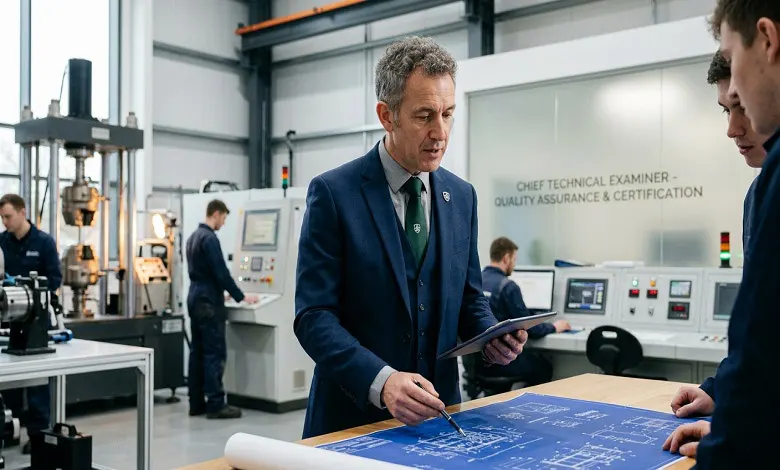
One of the most important positions supporting transparency in modern organizations is the Chief Technical Examiner. This role plays a critical part in evaluating technical systems, monitoring operational processes, identifying irregularities, and ensuring compliance with industry standards. Businesses across finance, manufacturing, construction, technology, and public sectors increasingly rely on Chief Technical Examiners to strengthen governance and maintain trust.
This article explores the importance of business transparency and explains the role of the Chief Technical Examiner in improving accountability, compliance, and operational excellence.
Understanding Business Transparency
Business transparency refers to the practice of openly sharing relevant information about operations, financial activities, policies, and decision-making processes. Transparent organizations communicate clearly with stakeholders and maintain ethical standards throughout their activities.
Transparency is important because it creates trust between businesses and the people connected to them. Customers are more likely to support companies they trust, while investors prefer organizations that provide accurate and reliable information.
Key elements of business transparency include:
| Element | Description |
| Financial Disclosure | Sharing accurate financial reports and statements |
| Ethical Practices | Following fair and responsible business policies |
| Regulatory Compliance | Adhering to legal and industry standards |
| Internal Accountability | Monitoring employee and departmental activities |
| Open Communication | Providing clear information to stakeholders |
Businesses that prioritize transparency often experience better customer loyalty, improved employee morale, and stronger investor confidence.
Who Is a Chief Technical Examiner?
A Chief Technical Examiner is a senior professional responsible for evaluating technical operations, auditing systems, and identifying inefficiencies or irregularities within an organization. This role combines technical expertise, analytical skills, and regulatory knowledge to ensure business processes remain compliant and efficient.
The responsibilities of a Chief Technical Examiner may vary depending on the industry. However, the main goal remains the same: protecting organizational integrity through detailed examination and oversight.
A Chief Technical Examiner often works closely with:
- Compliance teams
- Financial auditors
- Senior management
- Legal departments
- Engineering and technical teams
- Regulatory agencies
The position is especially important in sectors where technical accuracy and operational reliability are critical.
Why Business Transparency Matters
Modern consumers and investors expect businesses to operate responsibly. Hidden financial practices, poor communication, or unethical behaviour can quickly lead to public criticism and legal investigations.
Here are some major reasons why transparency matters in business:
Builds Customer Trust
Customers are more likely to engage with brands that openly communicate about pricing, policies, and product quality. Transparency creates long-term relationships and improves customer satisfaction.
Strengthens Investor Confidence
Investors rely on accurate data when making decisions. Transparent reporting reduces uncertainty and encourages investment opportunities.
Improves Employee Morale
Employees perform better in organizations where leadership communicates openly and maintains fair workplace practices.
Monitoring Technical Operations
One of the primary responsibilities of the Chief Technical Examiner is to review technical systems and operational procedures. This includes identifying inefficiencies, monitoring compliance, and ensuring processes follow company guidelines.
By examining technical operations regularly, organizations can detect issues before they become major problems.
Conducting Internal Audits
Internal audits help businesses verify whether departments are operating according to policies and regulations. The Chief Technical Examiner often leads or supervises these audits.
These examinations may include:
- Financial process reviews
- Technical system evaluations
- Risk assessments
- Quality control inspections
- Compliance checks
Regular auditing improves transparency by providing accurate information about organizational performance.
Identifying Fraud and Mismanagement
Fraud, corruption, and mismanagement can seriously damage a company’s reputation and finances. A Chief Technical Examiner helps identify suspicious activities and weaknesses in internal systems.
By analyzing operational data and reviewing technical reports, the examiner can detect irregular patterns and recommend corrective actions.
Supporting Regulatory Compliance
Businesses must comply with industry regulations, safety standards, and legal requirements. Failure to comply can result in fines or operational restrictions.
The Chief Technical Examiner ensures that organizational processes align with regulatory expectations. This reduces legal risks and strengthens accountability.
Improving Decision-Making
Executives depend on accurate information when making strategic decisions. A Chief Technical Examiner provides valuable insights based on technical evaluations and operational reviews.
These insights help leadership improve efficiency, reduce risks, and allocate resources effectively.
Key Skills Required for a Chief Technical Examiner
The position of Chief Technical Examiner requires a combination of technical knowledge and management abilities.
Some essential skills include:
| Skill | Importance |
| Analytical Thinking | Helps identify operational issues and inefficiencies |
| Technical Expertise | Ensures accurate evaluation of systems and processes |
| Communication Skills | Supports clear reporting and stakeholder interaction |
| Attention to Detail | Reduces the risk of missing critical information |
| Problem-Solving Ability | Assists in developing corrective solutions |
| Leadership Skills | Helps manage teams and coordinate examinations |
Professionals in this role must remain objective, ethical, and detail-oriented.
Industries That Benefit from Chief Technical Examiners
Many industries rely heavily on technical accuracy and operational transparency. As a result, the role of the Chief Technical Examiner is becoming increasingly valuable.
Finance and Banking
Banks and financial institutions require strict compliance and risk management. Technical examiners help monitor transactions, detect fraud, and maintain financial integrity.
Construction and Engineering
Large infrastructure projects involve technical complexities and safety regulations. Chief Technical Examiners review project quality, compliance, and operational efficiency.
Information Technology
Technology companies handle sensitive data and complex systems. Examiners help ensure cybersecurity, software reliability, and regulatory compliance.
Healthcare
Healthcare organizations must maintain accurate records and follow strict regulations. Technical examiners assist with compliance monitoring and operational reviews.
Manufacturing
Manufacturing companies use technical evaluations to improve production quality, reduce waste, and maintain safety standards.
Challenges Faced by Chief Technical Examiners
Although the role is highly important, Chief Technical Examiners also face several challenges.
Rapid Technological Changes: Businesses constantly adopt new technologies, making it difficult to monitor evolving systems and processes effectively.
Complex Regulations: Different industries have different compliance requirements. Staying updated with changing regulations requires continuous learning.
Resistance to Oversight: Some departments or employees may resist audits and examinations. Effective communication and leadership are necessary to overcome these challenges.
Data Management Issues: Large organizations generate massive amounts of data. Analyzing and organizing this information can be time-consuming and complex.
Despite these challenges, skilled Chief Technical Examiners help businesses maintain accountability and operational stability.
How Businesses Can Improve Transparency
Organizations looking to improve transparency should focus on strong governance and effective oversight.
Establish Clear Policies: Businesses should create well-defined operational and ethical guidelines for employees and management.
Conduct Regular Audits: Frequent technical and financial reviews help identify problems early and improve accountability.
Encourage Open Communication: Transparent communication between leadership, employees, and stakeholders strengthens trust.
Invest in Technology: Modern monitoring and reporting tools improve operational visibility and data accuracy.
Support Independent Examination: Allowing Chief Technical Examiners to operate independently improves objectivity and reliability.
Future Trends in Technical Examination and Transparency
The future of business transparency will likely involve increased use of digital technologies and automated systems.
Some important trends include:
- Artificial intelligence for risk analysis
- Automated compliance monitoring
- Blockchain for transparent recordkeeping
- Advanced cybersecurity auditing
- Real-time operational reporting
As businesses continue to digitize operations, the role of the Chief Technical Examiner will become even more essential.
Organizations will increasingly rely on technical experts to manage risks, monitor complex systems, and maintain stakeholder trust.
Benefits of Hiring a Chief Technical Examiner
Businesses that invest in professional technical examination services gain several long-term advantages.
Better Risk Management: Early detection of operational weaknesses helps prevent costly disruptions.
Increased Efficiency: Technical evaluations identify areas for improvement and streamline workflows.
Stronger Regulatory Compliance: Organizations reduce legal risks and avoid penalties by maintaining compliance.
Improved Stakeholder Confidence: Transparent operations increase trust among investors, customers, and partners.
Enhanced Corporate Reputation: Companies known for accountability and integrity often achieve greater long-term success.
Conclusion
Business transparency is no longer optional in today’s corporate environment. Organizations must maintain clear communication, ethical practices, and strong oversight to remain competitive and trustworthy. One of the key professionals supporting these goals is the Chief Technical Examiner.
By monitoring technical operations, conducting audits, ensuring compliance, and identifying operational risks, the Chief Technical Examiner plays a major role in strengthening accountability and improving business performance.
As industries become more complex and technology-driven, the demand for skilled technical examiners will continue to grow. Businesses that prioritize transparency and invest in strong examination processes are more likely to achieve long-term stability, customer trust, and sustainable growth.
FAQs:
Q: What does a Chief Technical Examiner do?
A: A Chief Technical Examiner evaluates technical systems, conducts audits, ensures compliance, and identifies operational risks within an organization.
Q: Why is business transparency important?
A: Business transparency builds trust, improves accountability, reduces legal risks, and strengthens stakeholder relationships.
Q: Which industries use Chief Technical Examiners?
A: Industries such as finance, healthcare, construction, manufacturing, and information technology commonly use Chief Technical Examiners.
Q: How does a Chief Technical Examiner help prevent fraud?
A: They review operational data, monitor systems, and identify irregular activities that may indicate fraud or mismanagement.
Q: What skills are required for a Chief Technical Examiner?
A: Important skills include technical expertise, analytical thinking, communication, leadership, and problem-solving abilities.