
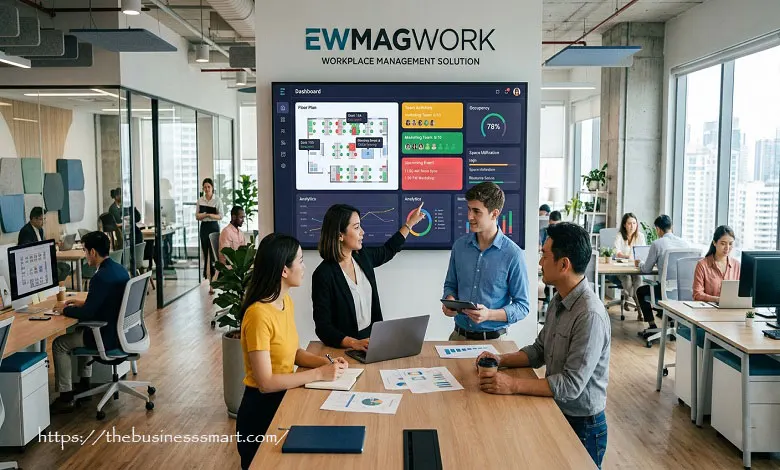
Modern businesses are changing rapidly, and organizations now need smarter ways to manage employees, office spaces, communication, and productivity. This is where workplace management ewmagwork becomes an important concept for companies looking to improve efficiency and create a better work environment. From hybrid work models to digital collaboration tools, workplace management is no longer limited to assigning desks or tracking attendance. It now focuses on creating a productive, flexible, and employee-friendly workplace.
Companies around the world are investing in smarter workplace systems because employee expectations have changed significantly. Workers want flexibility, better communication, comfortable workspaces, and access to modern technology. Businesses that fail to adapt often struggle with low productivity, poor employee engagement, and inefficient operations. Workplace management ewmagwork helps organizations solve these problems by combining smart planning, workplace technology, and effective leadership strategies.
A smarter workplace is not only about using advanced software or automation. It is also about improving teamwork, optimizing office design, encouraging employee wellbeing, and creating systems that make daily operations easier. Businesses that embrace these practices often experience better collaboration, improved performance, and stronger employee satisfaction.
Understanding Workplace Management Ewmagwork
Workplace management ewmagwork refers to the strategies, systems, and technologies used to organize and improve workplace operations. It focuses on helping employees work efficiently while ensuring the workplace supports business goals.
This concept includes several important areas such as:
- Workspace planning
- Employee communication
- Task management
- Workplace technology
- Hybrid work coordination
- Resource allocation
- Employee wellbeing
- Office security
- Performance tracking
Modern workplace management combines physical office management with digital workplace solutions. This approach is especially important in today’s hybrid work environment where employees may work from home, in the office, or remotely from different locations.
Organizations that implement effective workplace management strategies often gain a competitive advantage because their teams can collaborate better and complete tasks more efficiently.
Importance of Building a Smarter Workplace
A smarter workplace helps businesses remain competitive in a rapidly evolving market. Companies that invest in smarter workplace strategies can reduce operational problems while improving employee performance and satisfaction.
One major advantage of workplace management ewmagwork is improved productivity. Employees can work more effectively when they have access to organized systems, collaborative tools, and flexible work environments.
Another important benefit is employee retention. Workers are more likely to stay with organizations that support work-life balance and provide a positive work culture.
Smarter workplaces also improve communication between teams. Clear communication reduces misunderstandings, delays, and workflow disruptions.
Businesses can also lower costs by optimizing office spaces and reducing unnecessary expenses. Smart workplace management helps organizations use resources more efficiently.
The Role of Technology in Workplace Management Ewmagwork
Technology is one of the biggest driving forces behind modern workplace management. Digital tools allow businesses to automate tasks, improve collaboration, and streamline daily operations.
Cloud-based platforms help employees access files and applications from anywhere. This flexibility supports remote and hybrid work environments.
Communication tools such as video conferencing platforms and instant messaging applications make collaboration easier for distributed teams.
Project management software helps organizations track deadlines, assign responsibilities, and monitor progress in real time.
Artificial intelligence is also becoming increasingly important in workplace management ewmagwork. AI-powered systems can analyze workplace data, identify productivity trends, and improve decision-making.
Smart office technologies such as automated lighting, energy-efficient systems, and workplace sensors can also improve office efficiency while reducing costs.
Creating a Flexible Work Environment
Flexibility is now one of the most important factors in workplace management. Employees expect organizations to provide flexible work options that support work-life balance.
Hybrid work models allow employees to divide their time between home and office environments. This approach often improves employee satisfaction while reducing commuting stress.
Flexible scheduling can also increase productivity because employees can work during their most productive hours.
Organizations should establish clear policies for remote work, communication expectations, and task management to ensure flexibility does not reduce accountability.
Workplace management ewmagwork strategies should focus on maintaining collaboration and team culture even when employees work remotely.
Improving Employee Communication
Strong communication is essential for building a smarter workplace. Poor communication often leads to confusion, delays, and lower productivity.
Organizations should encourage open communication between management and employees. Team meetings, feedback sessions, and collaborative platforms help employees stay connected.
Clear communication also helps employees understand company goals and expectations.
Digital communication tools can improve workplace collaboration, especially for remote teams. However, businesses should avoid excessive meetings and unnecessary notifications that may reduce productivity.
Transparent communication creates trust and improves employee engagement.
Smart Office Design and Workspace Optimization
Office design has a major impact on employee productivity and wellbeing. A smart workplace should provide comfortable, organized, and functional spaces for employees.
Open office layouts may encourage collaboration, but organizations should also provide quiet areas for focused work.
Ergonomic furniture can reduce physical strain and improve employee comfort.
Natural lighting, proper ventilation, and clean workspaces also contribute to a healthier work environment.
Workplace management ewmagwork strategies often include workspace optimization techniques that improve office efficiency and maximize available space.
Businesses can use workplace analytics to understand how office spaces are being used and make informed adjustments.
Employee Wellbeing and Workplace Culture
Employee wellbeing is becoming a central part of workplace management. Organizations that prioritize mental and physical health often experience better productivity and lower employee turnover.
A positive workplace culture encourages teamwork, respect, and professional growth.
Businesses can support employee wellbeing through wellness programs, flexible schedules, mental health support, and healthy work environments.
Recognition and appreciation also play a major role in employee motivation. Workers who feel valued are more likely to remain engaged and productive.
Workplace management ewmagwork should focus on creating a culture where employees feel supported and motivated.
Data-Driven Decision Making in Workplace Management
Modern businesses rely heavily on data to improve workplace operations. Data analytics can help organizations identify productivity trends, employee engagement levels, and workplace inefficiencies.
Managers can use workplace data to make informed decisions about staffing, office space usage, and workflow improvements.
For example, attendance patterns and workspace utilization data can help businesses optimize office layouts and reduce unnecessary costs.
Employee feedback surveys also provide valuable insights into workplace satisfaction and areas that need improvement.
Data-driven workplace management ewmagwork strategies allow organizations to adapt quickly to changing business needs.
Enhancing Collaboration Among Teams
Collaboration is essential for innovation and business growth. A smarter workplace should encourage employees to share ideas and work together effectively.
Cross-functional collaboration allows teams from different departments to solve problems more efficiently.
Organizations should provide collaboration tools that support file sharing, communication, and project coordination.
Leadership also plays a critical role in fostering collaboration. Managers should encourage teamwork and create opportunities for employees to participate in group projects.
Workplace management ewmagwork practices should focus on reducing communication barriers and promoting knowledge sharing.
Cybersecurity and Workplace Safety
As workplaces become more digital, cybersecurity becomes increasingly important. Businesses must protect sensitive company data and employee information from cyber threats.
Organizations should implement strong password policies, secure networks, and employee cybersecurity training.
Remote work environments also require secure communication channels and protected access to company systems.
Physical workplace safety is equally important. Businesses should maintain clean, organized, and secure office environments.
Workplace management ewmagwork includes both digital and physical safety strategies to protect employees and business operations.
Leadership Strategies for Smarter Workplace Management
Effective leadership is essential for successful workplace management. Leaders must guide teams, support employees, and create clear organizational goals.
Managers should focus on communication, empathy, and problem-solving skills.
Employee feedback should be taken seriously because it helps organizations improve workplace policies and management practices.
Leaders should also encourage continuous learning and professional development.
Workplace management ewmagwork strategies work best when leadership actively supports innovation and employee growth.
Challenges in Workplace Management Ewmagwork
Although workplace management offers many benefits, organizations may face several challenges during implementation.
One common challenge is resistance to change. Employees may feel uncomfortable adapting to new technologies or workplace systems.
Budget limitations can also make it difficult for small businesses to invest in advanced workplace solutions.
Managing hybrid teams can create communication and coordination challenges if organizations lack proper systems.
Cybersecurity risks are another major concern as digital workplace technologies continue to expand.
Businesses can overcome these challenges by providing employee training, clear communication, and gradual implementation strategies.
Future Trends in Workplace Management Ewmagwork
The future of workplace management will likely focus on automation, artificial intelligence, and employee experience.
AI-powered workplace systems may automate scheduling, resource allocation, and workflow management.
Virtual reality and augmented reality technologies may also transform employee training and remote collaboration.
Sustainability is becoming another important workplace trend. Businesses are increasingly adopting environmentally friendly office practices and energy-efficient technologies.
Employee wellbeing will continue to play a major role in workplace strategies as organizations recognize the connection between wellbeing and productivity.
Workplace management ewmagwork will continue evolving as businesses adapt to changing workforce expectations and technological advancements.
Conclusion
Workplace management ewmagwork is becoming an essential strategy for businesses that want to create smarter, more efficient, and employee-friendly workplaces. Modern organizations must go beyond traditional office management and focus on flexibility, communication, technology, collaboration, and employee wellbeing.
A smarter workplace improves productivity, supports innovation, and helps businesses adapt to rapidly changing work environments. By implementing effective workplace management strategies, companies can create a positive work culture while improving operational efficiency. Technology will continue shaping the future of workplace management, but successful organizations will also prioritize human-centered leadership and employee satisfaction. Businesses that embrace these strategies today will be better prepared for the workplace challenges and opportunities of tomorrow.
FAQs:
Q: What is workplace management ewmagwork?
A. Workplace management ewmagwork refers to strategies and systems used to improve workplace efficiency, communication, productivity, and employee experience.
Q: Why is workplace management important?
A. It helps businesses improve productivity, optimize office resources, enhance employee satisfaction, and support better collaboration.
Q: How does technology help workplace management?
A. Technology improves communication, automates tasks, supports remote work, and helps organizations manage workflows more efficiently.
Q: What are the benefits of a smarter workplace?
A. A smarter workplace can improve productivity, employee well-being, collaboration, flexibility, and operational efficiency.
Q: What challenges do businesses face in workplace management?
A. Common challenges include resistance to change, cybersecurity risks, budget limitations, and managing hybrid work environments.